Case Studies

How this looks in practice.

Each project starts with a real operational problem and ends with a business that can see what it could not see before.

Every engagement follows the same logic.

A founder has a problem they can feel but cannot measure. They know something is wrong, leads are falling away, inventory is misallocated, quotes are not converting, but they cannot isolate where, by how much, or why.

We start by making the invisible visible. We build the system that captures what is actually happening. Then the data does the rest.

The outcomes below are not the result of clever strategy or unusual market conditions. They are the result of replacing guesswork with measurement. In every case, the business already had most of what it needed. It simply could not see it.

Project Examples

Multi-Warehouse Inventory Visibility

Building materials distributor ~₹18 crore annual revenue

The Situation

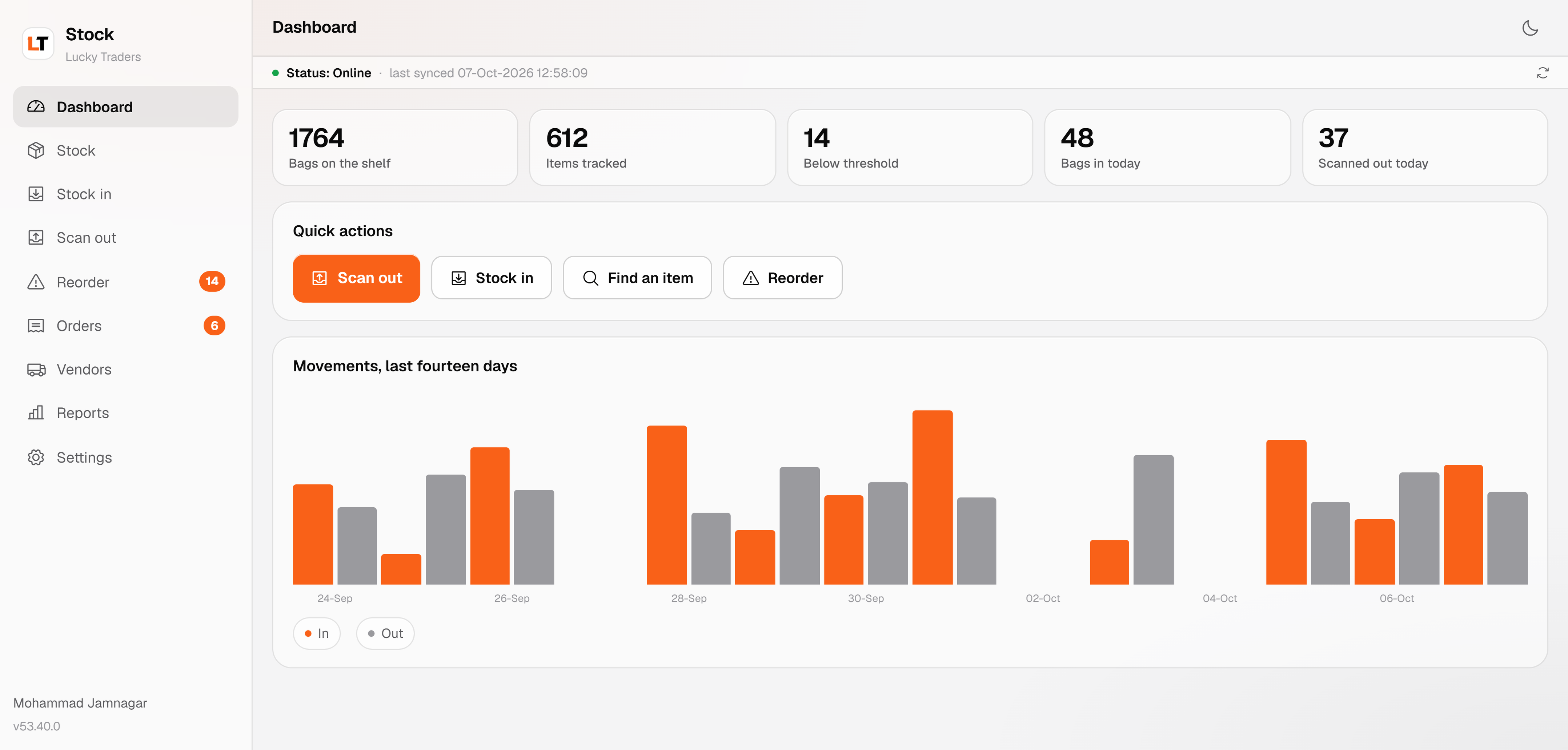
A building materials distributor with three warehouse locations was managing inventory through a combination of Excel spreadsheets and phone calls between warehouse managers. Stockouts at one location frequently coincided with excess inventory at another. The founder knew this was happening but had no way to see the full picture in real time.

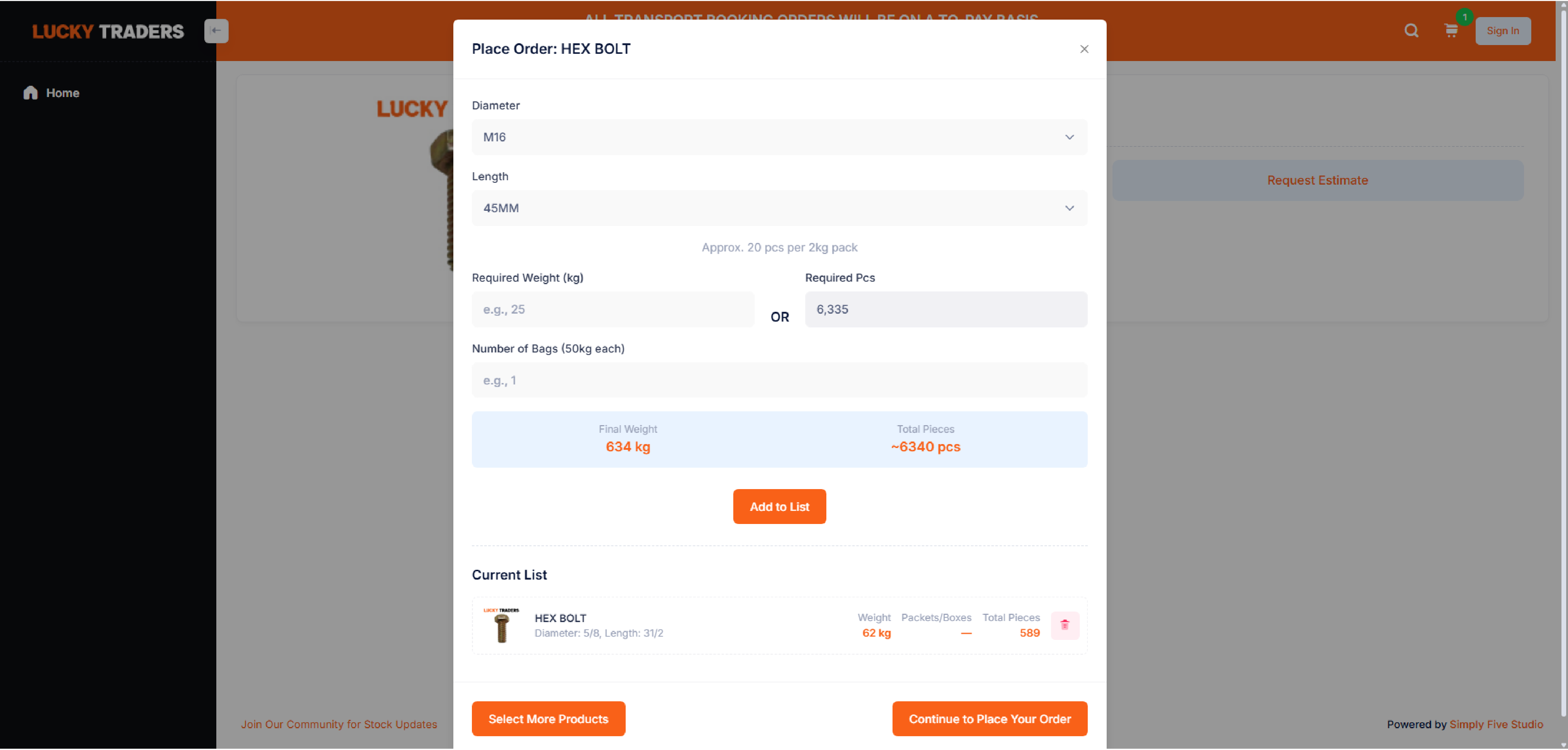
What We Built

A centralized inventory management system that tracks stock levels, transfers, and consumption across all three locations in real time. Each warehouse updates the system as materials arrive and leave. The founder and purchasing team see a single dashboard showing stock positions, aging inventory, and transfer recommendations.

The Outcome

Within three months of deployment, the business reduced stockouts significantly and identified over ₹20 lakh in slow-moving inventory that had been invisible. Purchasing decisions shifted from reactive ordering to data-informed planning. The founder now reviews a single screen each morning instead of making three phone calls.

RFQ and Quoting System

Custom fabrication manufacturer ~₹35 crore annual revenue

The Situation

A custom fabrication company received between 40 and 60 requests for quotation per week. RFQs arrived through email, WhatsApp, and phone calls. The quoting process was managed manually, and the company had no reliable data on how many RFQs they received, how many converted, or where bottlenecks existed.

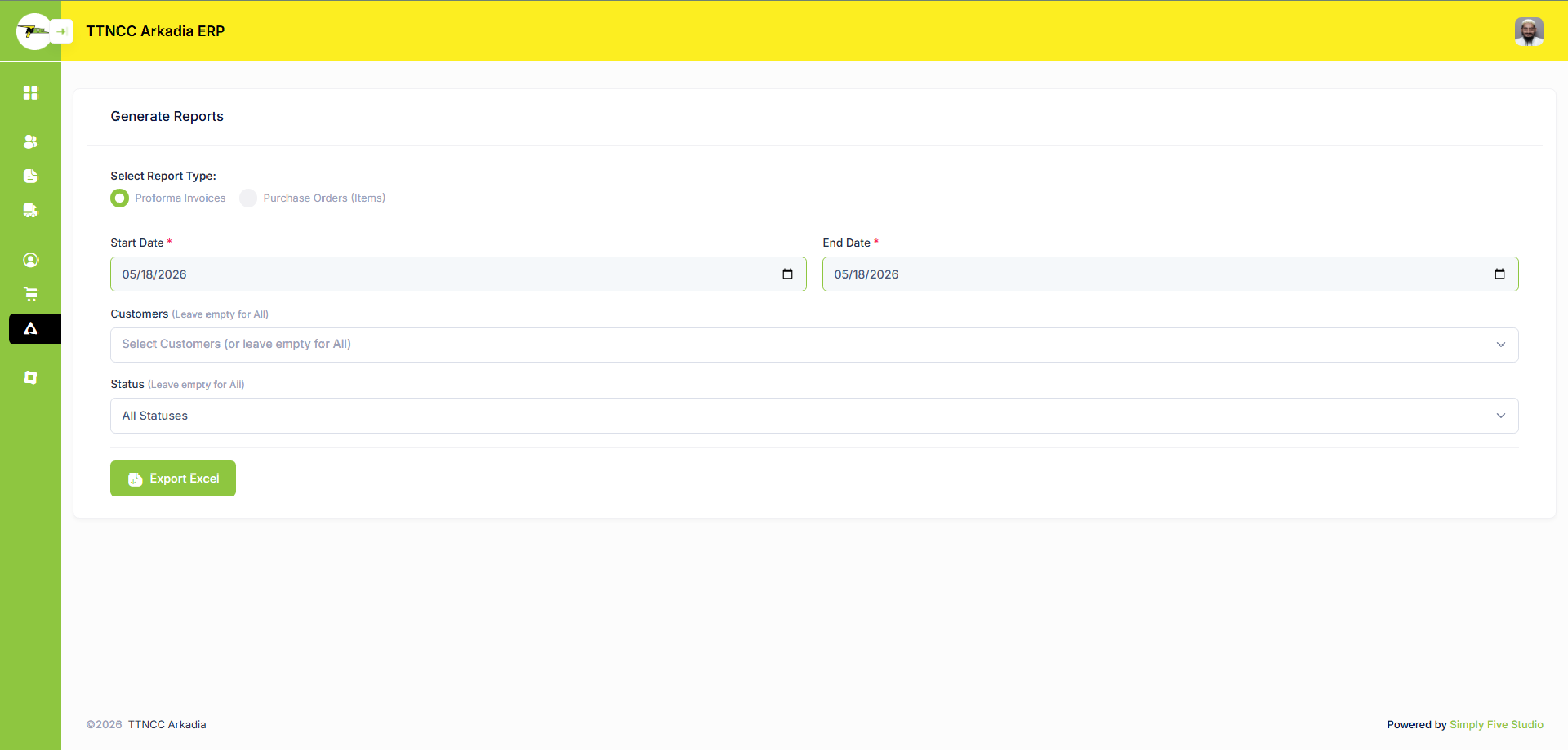
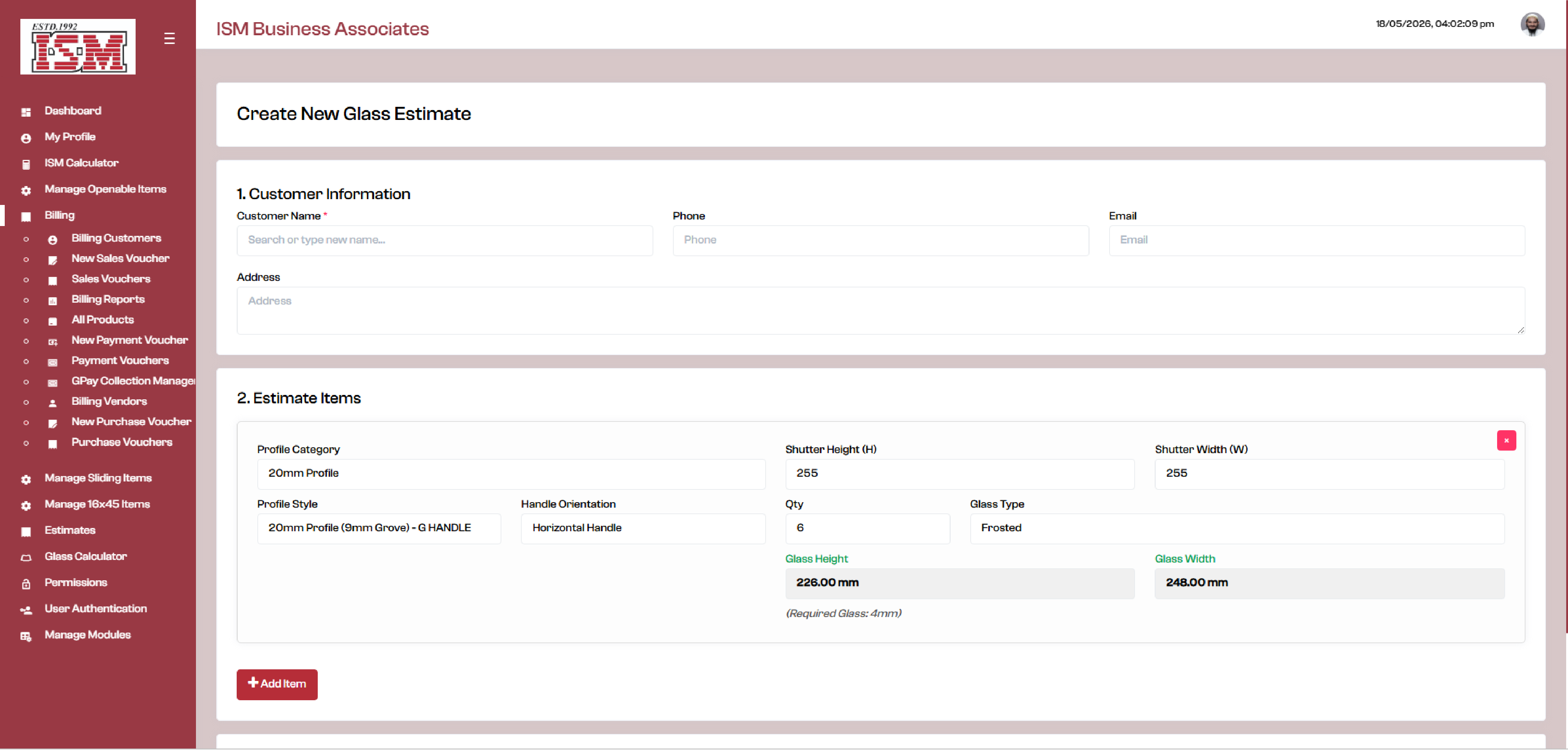
What We Built

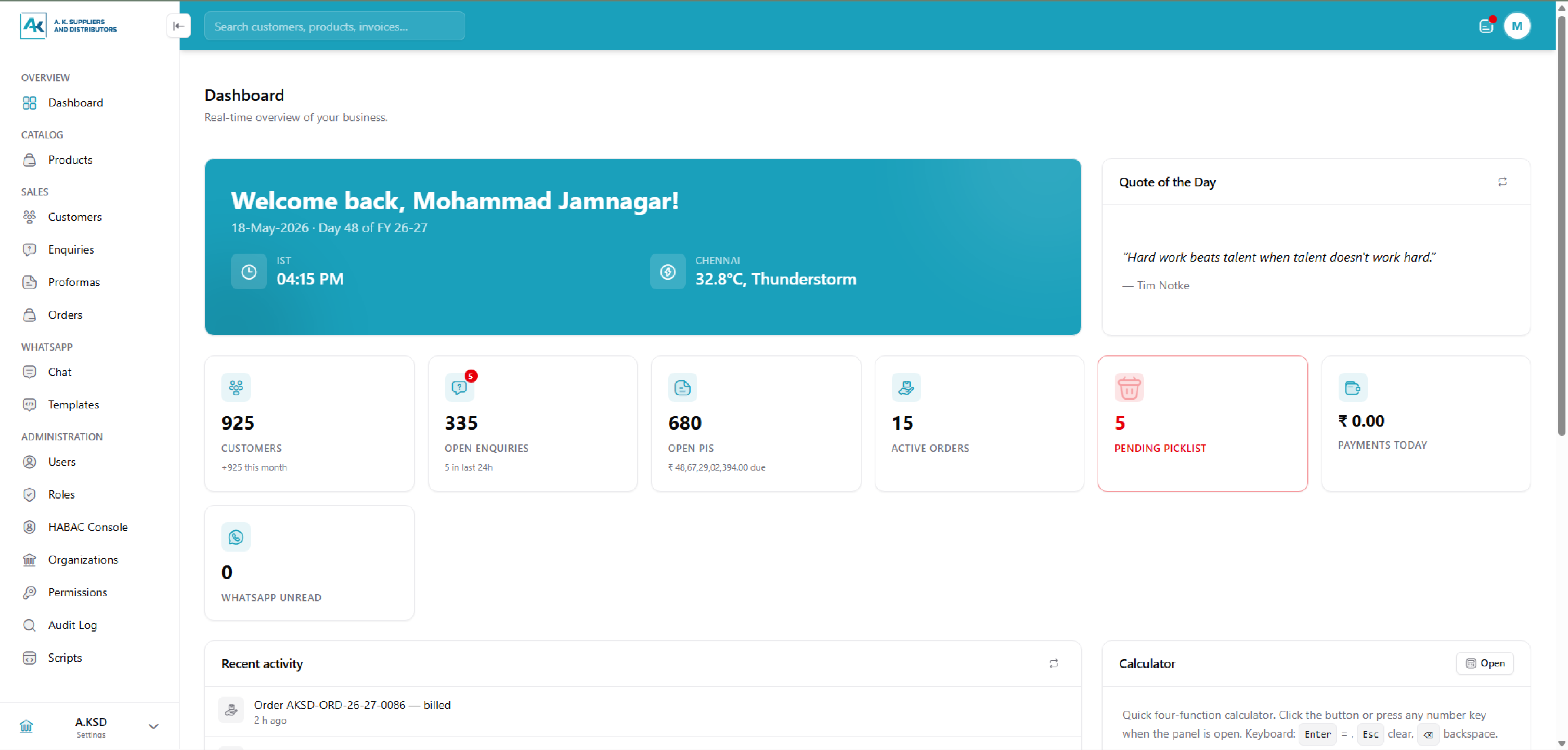
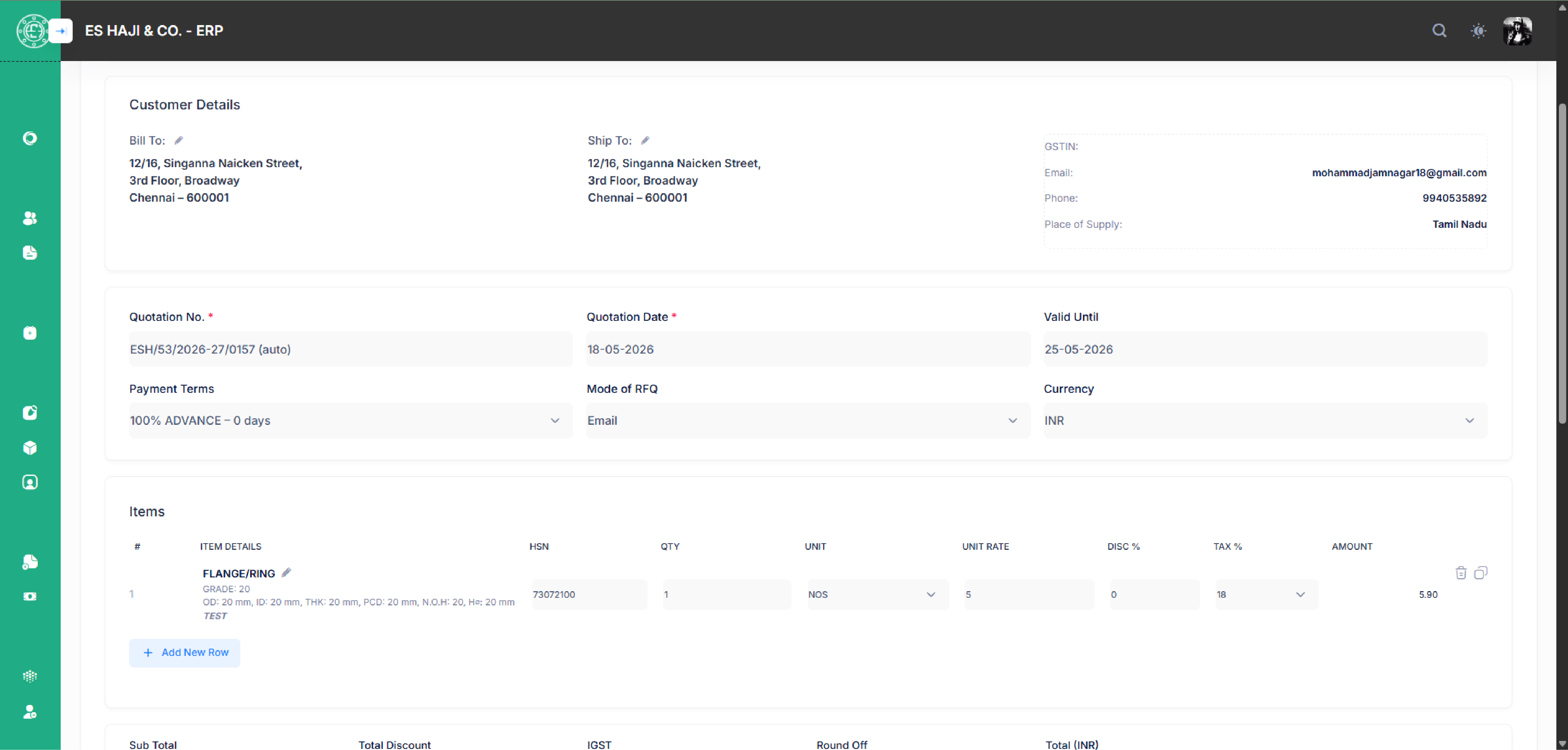
An RFQ intake and quoting system that centralizes all incoming requests, extracts key specifications into structured fields, routes them to the appropriate estimator, and tracks the quote through its lifecycle from draft to sent to follow-up to won or lost. The system integrates with the company's existing email and WhatsApp channels.

The Outcome

The company discovered that their actual quote-to-order conversion rate was considerably lower than the founder had estimated, and that conversion rates varied dramatically by product category. This data allowed them to prioritize quoting resources on the segments with the highest conversion probability and the healthiest margins.

Lead Tracking and Sales Follow-Up

Interior design firm with showroom ~₹8 crore annual revenue

The Situation

An interior design firm with a physical showroom was generating leads through walk-ins, referrals, and digital advertising. Lead follow-up was managed through a shared spreadsheet and individual WhatsApp conversations. The founder suspected that many leads were falling through the cracks but had no way to verify or quantify this.

What We Built

A lead tracking system that captures every lead at the point of first contact, assigns it to a team member, tracks follow-up actions and timing, and records the outcome. The system includes a showroom visit tracker that logs walk-in interactions and links them to subsequent follow-up.

The Outcome

Within the first two months, the system revealed that approximately 35% of leads were receiving no follow-up within the first 48 hours. The founder implemented structured follow-up protocols and tracked compliance. Lead-to-consultation conversion improved meaningfully, without any increase in advertising spend.

Performance Marketing Improvement Through Internal Data

B2B industrial supplier ~₹28 crore annual revenue

The Situation

A B2B industrial supplier was spending approximately ₹4 lakh per month on Google and Meta advertising. Monthly reports showed consistent lead generation and stable cost-per-lead metrics. The founder felt that the leads were not converting into meaningful business, but had no data to back this intuition.

What Changed

After deploying an internal lead tracking and order management system, we connected ad campaign data to actual sales outcomes. The data revealed that two campaign categories, roughly 40% of ad spend, were generating leads with near-zero conversion to paid orders. A third category, receiving the smallest budget, was producing leads that converted at three times the average rate.

The Outcome

We reallocated ad spend based on actual conversion and value data. Within two quarters, the cost of acquiring a paying customer dropped substantially while total revenue from marketing-sourced customers increased. The total ad budget did not increase. Only the allocation changed, informed by operational truth.

A note on these examples.

All examples above are representative of real engagements. Specific financial figures and operational details have been adjusted for confidentiality. The industries, problem patterns, and outcome types are accurate.

If you work in a sector not represented here, the underlying logic still applies. The tools differ by business. The process, making operations visible, measuring what matters, and deciding from data, is consistent across every engagement we run.

If you would like to discuss results relevant to your specific industry, we are happy to do that in a direct conversation.

Every project starts the same way: a conversation about what you need to see.

We do not begin with a proposal or a price list. We begin by understanding your operations, where data exists, where it is missing, and what visibility would change for you.

Start a Conversation